

Resources
Rabbit Holes

Deep Brain Reorienting
Deep Brain Reorienting (DBR) is a gentle, precise approach to working with trauma and attachment shock at the level of the brainstem and midbrain. DBR works with processes that occur before thought and narrative, creating the possibility for deeply held patterns to shift while you’re firmly in the driver's seat.

Why Yawning?
Yawning is so ordinary that we rarely pause to notice it. My fascination with it began almost by accident and has since opened into a wider exploration of the nervous system, developmental movement, gravity, voice, impulse and how we inhabit ourselves.

Favourite Reads & Listens
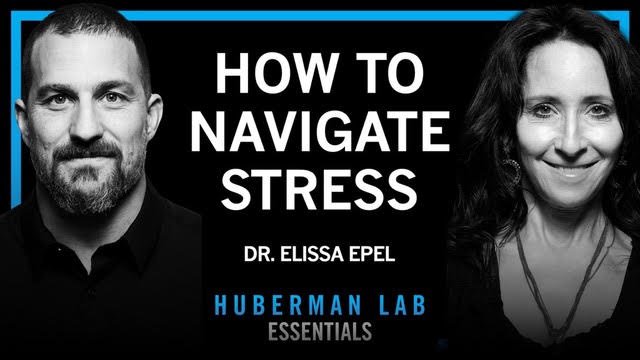
How to Navigate Stress
Huberman has many (many) great gems. One thing I appreciate about Huberman’s podcasts is how they often remind us of what we already know and re-inspire the parts of us that want to take better care of ourselves.
This short episode with Dr. Elissa Epel, PhD is a great place to start. She shares how stress affects the body and brain, including its links to cellular aging and mitochondrial health. They also explain tools to reduce rumination, reframe stress as a challenge and build resilience, as well as how radical acceptance and a sense of purpose can help us navigate stressors we cannot change.
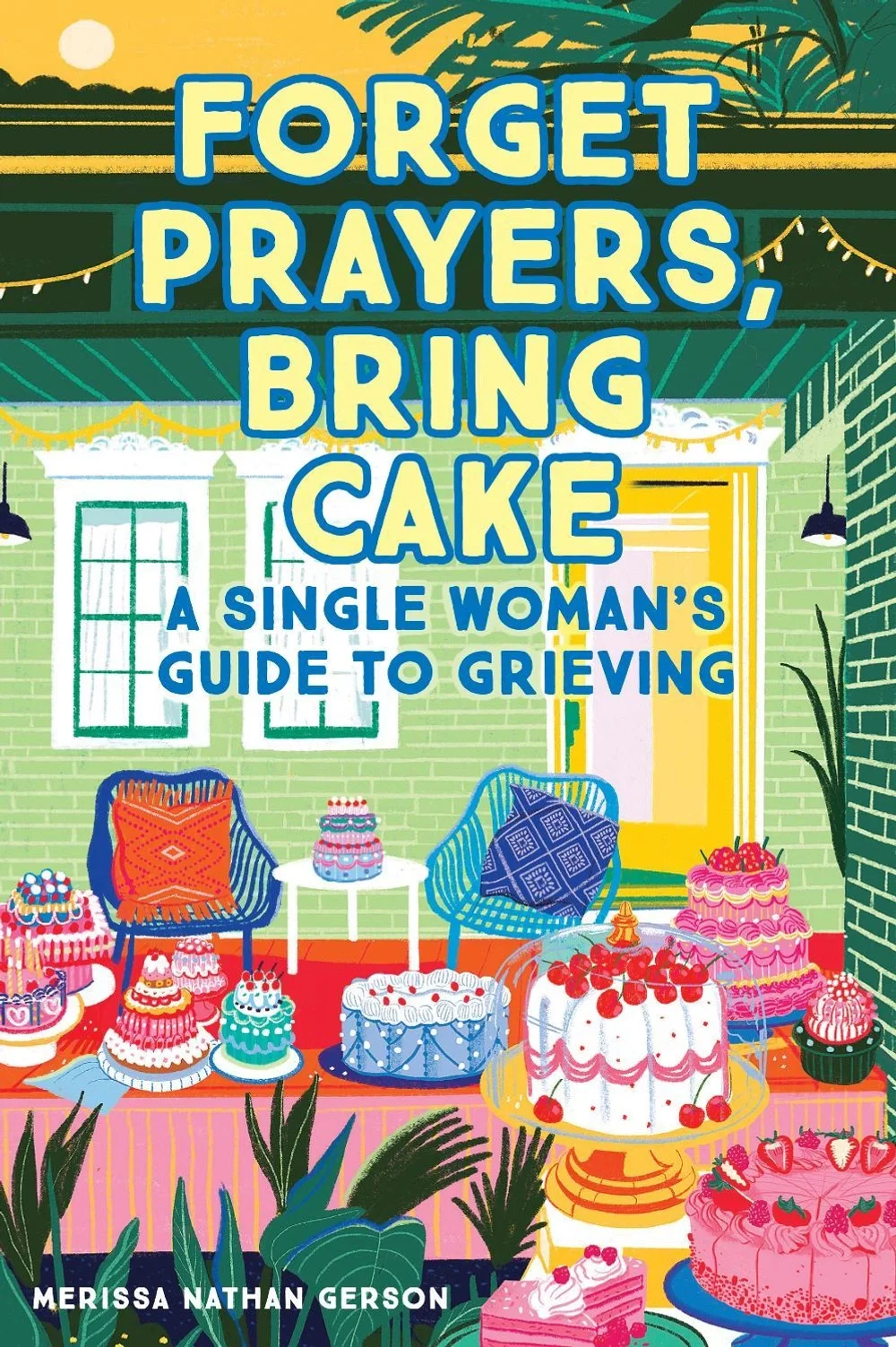
Forget Prayers, Bring Cake
Forget Prayers, Bring Cake is a heartfelt exploration of grief in its many forms, grounded in one woman’s experience of loss. It offers practical ways to recognise our needs, ask for support, and care for ourselves and others through painful times.
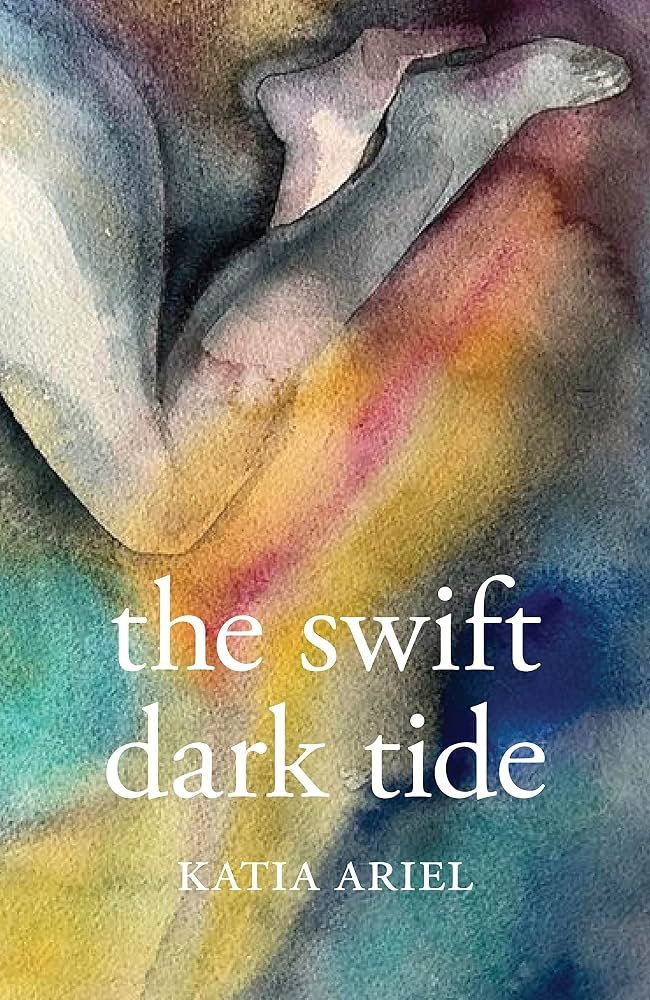
The Swift Dark Tide
By Katia Ariel
Katia Ariel’s writing is raw, poetic, sexy and deeply embodied. At the heart of the book is a woman who knows herself, who listens closely to what her heart and whole body are asking of her, and is brave enough to follow—even when the consequences are costly. She honours her own soul journey without turning away from the hurt it causes, or from her care for the people around her. I love the way she weaves her ancestors through her story, making sense of and landing this particular passage of her life within something much larger, and honouring the stories and women who came before her. This is a woman I’d like to get to know. For now, I’ll just keep rereading her books.
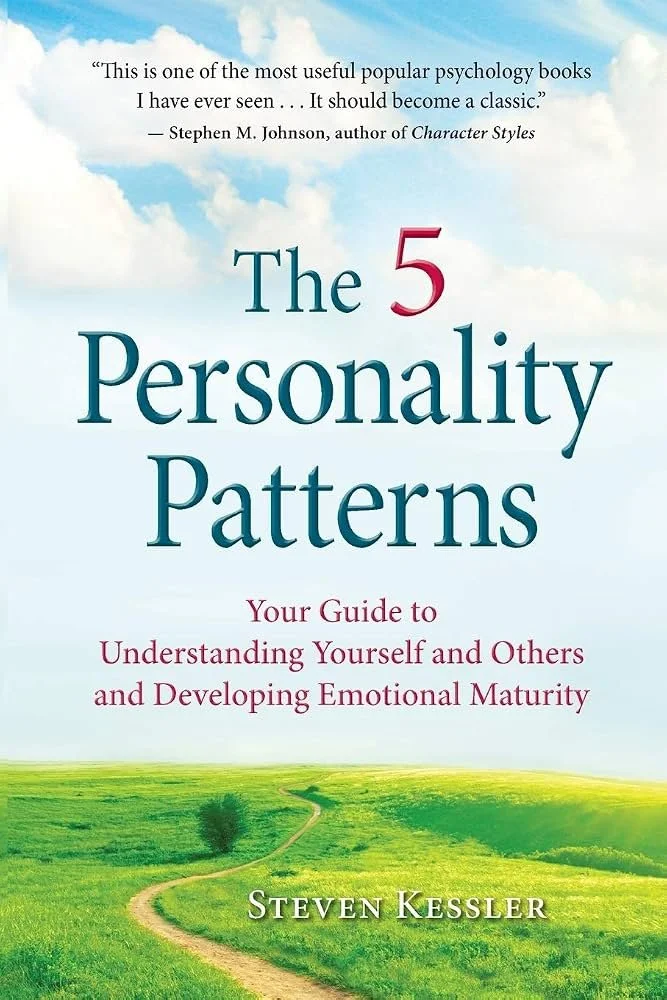
Two Complementary Reads
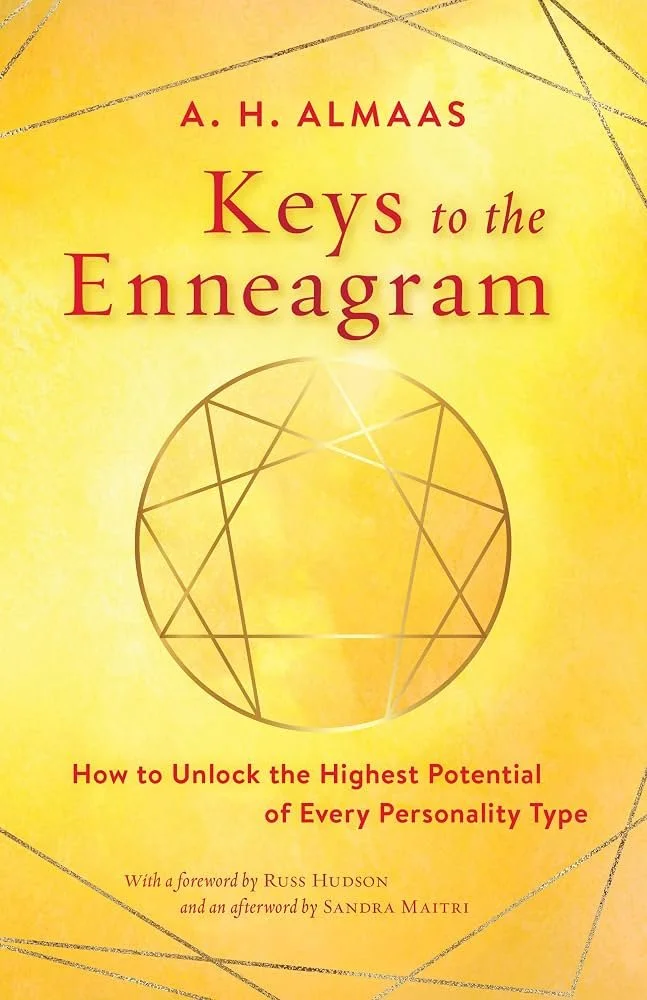
These books came to me through an IFS teacher who teaches on the spiritual dimensions of IFS. I have read many books on character structure, and I’m fascinated by how our early experiences shape the ways we inhabit ourselves—our bodies, our movement and our relationships. I particularly appreciate their understanding of our patterns as strategies for safety: they are not who we are.
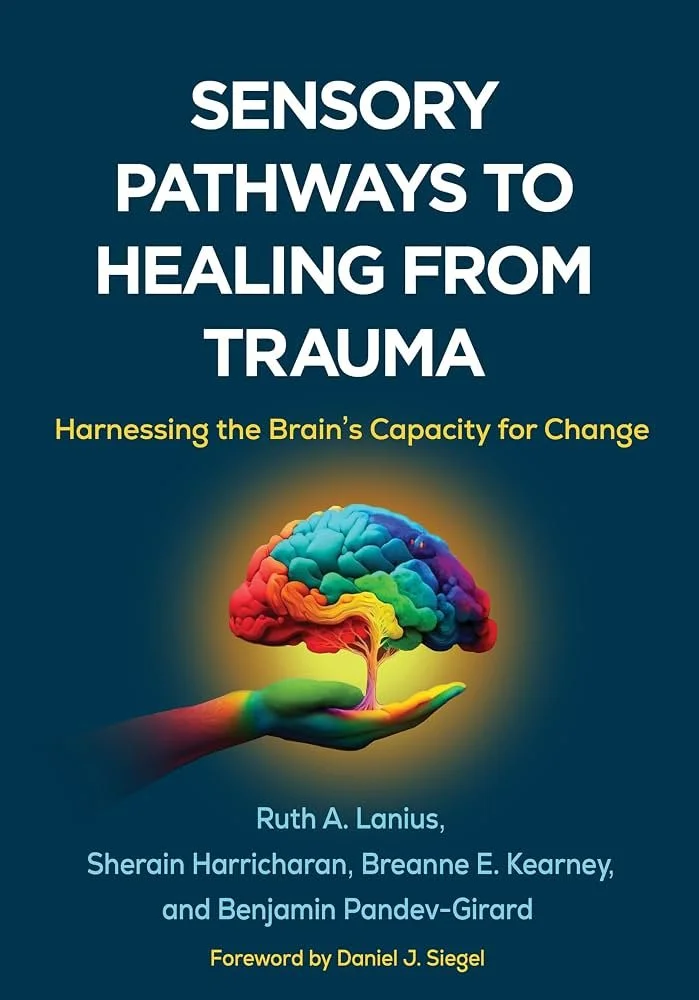
Sensory Pathways to Healing from Trauma
By Ruth Lanius et al
Primarily for clinicians, this book brings together many threads that have shaped how I understand trauma and healing. I particularly appreciate its emphasis on the vestibular and sensorimotor systems within a developmental and attachment lens. It connects Lanius’s work with Deep Brain Reorienting and renews my appreciation for some of my earliest training in Sensorimotor Psychotherapy.
With practical suggestions throughout, it recognises how much healing happens beneath the level of story, trusting the intelligence already present in our bodies, brains and sensory systems.
The Feldenkrais Project
There are many classic “Feldy” phrases that please both my ear and being. “Rest. Can you do a little less? Rest. Take what you need from the ground. Rest a little. It’s what happens before you do the thing / take the action that matters.”
The spirit of inquiry that runs through Feldenkrais emphasises attention and leads to an embodied knowing of how little we need to do to enjoy a different sense of being in a body, with greater awareness and ease in movement.
The Feldenkrais Project is a wonderful resource, with a large library of (free) lessons to explore. Especially fabulous on days that you don’t feel like ‘exercising’ or find yourself housebound –all while lying on your back, doing very little in the comfort of your loungeroom.